
El-Rufai Alleges Tinubu Deducted ₦100bn Monthly From Federation Account Without Approval

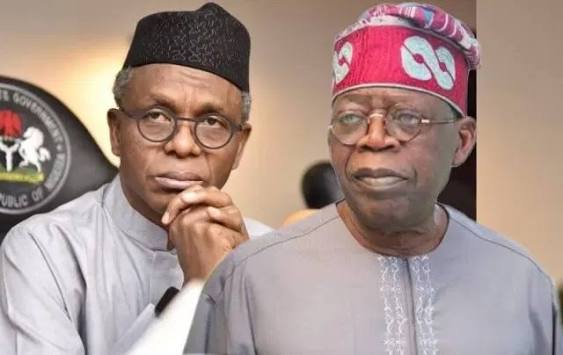
Former Kaduna State Governor Nasir El-Rufai has alleged that President Bola Ahmed Tinubu has been deducting ₦100 billion monthly from the Federation Account without constitutional approval, describing the action as an impeachable offence.
Speaking during a recent media appearance, El-Rufai claimed that the deductions have been ongoing for over 15 months, bringing the total amount allegedly withdrawn to about ₦1.5 trillion. According to him, the withdrawals were carried out without the consent of the National Assembly and outside the provisions of Nigeria’s constitution governing the management of the Federation Account.
El-Rufai argued that funds in the Federation Account belong jointly to the federal, state, and local governments, and any deductions must follow due process and legislative approval. He maintained that the President does not have the unilateral authority to remove money from the account, regardless of the purpose.
Describing the alleged action as a serious breach of fiscal responsibility, the former governor said such a move weakens transparency and undermines the financial rights of subnational governments, many of which rely heavily on monthly allocations to meet basic obligations.
The claims have sparked reactions across political circles, with commentators calling for greater clarity on how federation revenues are being managed. Some have urged the National Assembly to investigate the allegation and, if necessary, demand a detailed breakdown of any special deductions or interventions linked to the account.
As of the time of this report, the Presidency has not issued an official response to El-Rufai’s claims. Government officials have, in the past, defended special financial interventions as necessary for national priorities, but no public explanation has been offered regarding the specific ₦100 billion monthly figure alleged.
The development adds to ongoing debates about transparency, accountability, and constitutional compliance in Nigeria’s public finance system, especially amid widespread economic pressures facing citizens and state governments.