
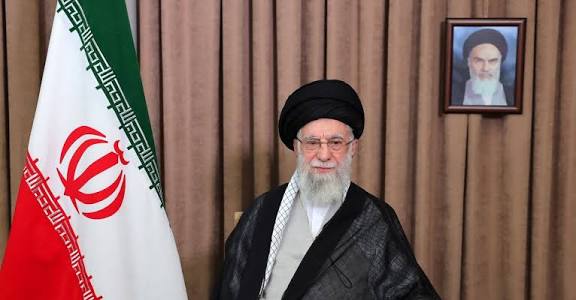
Iran’s Assembly of Experts, the clerical body responsible for selecting the country’s supreme leader, has reportedly reached a decision on a successor to the late Ali Khamenei, though the identity of the chosen figure has not yet been publicly disclosed.
Mohsen Heidari Alekasir, a member of the Assembly, said the most suitable candidate had been approved by a majority, according to Iran’s ISNA news agency.
“The most suitable candidate, approved by the majority of the Assembly of Experts, has been determined”, Alekasir said on Sunday.
Another member of the assembly, Mohammad Mehdi Mirbagheri, confirmed the development in a video carried by Fars news agency, stating that “a firm opinion reflecting the majority view has been reached.”
Heidari Alekasir suggested that the successor would likely be someone opposed by the United States, indicating that criticism from Washington had played a role in shaping the internal debate within Iran.
“Someone opposed by the enemy is more likely to benefit Iran and Islam,” he said, referring to the U.S. as the “Great Satan,” a term commonly used by Iranian officials.
Punch online reports that the announcement comes amid heightened tensions in the region, as the conflict between Iran and Israel continues.
Recall that the Israeli military has warned that it will target any successor to Khamenei, as well as individuals involved in the appointment process.
In recent days, Mojtaba Khamenei, the 56-year-old son of the late leader, has been suggested as a possible frontrunner.
Analysts, however, caution that his selection remains uncertain due to concerns that it could resemble hereditary succession—an idea that critics argue contradicts the principles of the Islamic Republic established after the 1979 revolution.
Under Iran’s constitution, the 88-member Assembly of Experts holds the exclusive authority to appoint the supreme leader, a position that Khamenei held for nearly four decades until his death in a joint U.S.–Israeli strike on Tehran on February 28.
The deliberations over succession are unfolding as military hostilities escalate.
Recent Iranian strikes have targeted energy infrastructure across the Gulf, while Israeli attacks have hit oil storage and fuel facilities inside Iran, further intensifying the regional conflict.