
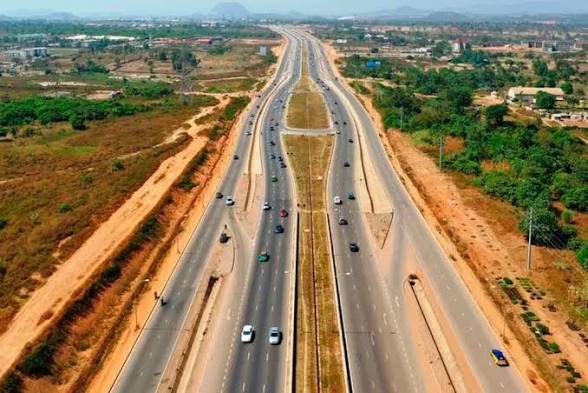
Questions and concerns continue to arise over the possible economic benefits of coastal highways as Nigeria pushes ahead with the Lagos-Calabar Coastal Highway project.
The 700-kilometre highway, which is expected to connect Lagos to Calabar through nine coastal states, has been presented by the Federal Government as more than a road project, with officials linking it to trade, tourism, job creation and wider economic activity.
The highway runs through Lagos, Ogun, Ondo, Edo, Delta, Bayelsa, Rivers, Akwa Ibom and Cross River states.
President Bola Tinubu, while speaking at the launch of the project in 2024, said the highway would “revolutionize transportation in Nigeria and boost tourism.”
The President has also linked the Lagos-Calabar and Sokoto-Badagry highways to broader economic activity, saying the projects would open up 16 connecting states, create thousands of jobs and boost economic output through “trade, tourism and cultural integration.”
The Minister of Works, David Umahi, has similarly pointed to the effect improved road connectivity could have on commerce.
Defending the economic importance of the project last month, Umahi said, “The distance between Ogun State and Lagos State is shortened, so commerce is increased and life is made better. That is the essence of it.”
“The road is going to be the biggest super highway in Africa in terms of the structure and solidity as we all as utility value, having ten lanes with a rail track designed for concrete technology, covering 700 kilometers. It is going to attract foreign direct investment to Nigeria, and it is going to trigger economic development. It is going to develop the potential of our coastal businesses, especially at the local economic corridors, and boost tourism and marine businesses,” the federal ministry of works said on its website.
Beyond transportation, the highway is expected to create opportunities for businesses located along its route, including logistics, hospitality, tourism and other commercial activities.
Akwa Ibom State Governor Umo Eno had also described the project as a potential economic catalyst for the state, saying, “The economic benefits it will bring to our State are enormous.”
The project has also attracted international financing. In December 2025, the Presidency announced the closure of $1.126 billion in financing for Phase 1, Section 2 of the highway. Tinubu described the financing as a major milestone in delivering what the Presidency called a transformative infrastructure project.
For coastal communities, the expected benefits include improved access to markets and easier movement between states. The government has also argued that the road could support new economic activity in areas along the corridor.
However, stakeholders have continued to raise questions around the project’s cost, environmental impact and the development of communities along the route.
As construction progresses, the focus will increasedderh1etee egg on whether the economic opportunities identified by the Federal Government and other stakeholders translate into increased trade, investment, tourism and jobs across the coastal corridor.