
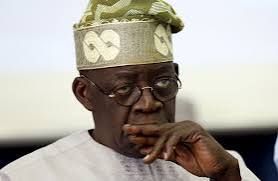
Bola Tinubu has approved an expansion of the Presidential Compressed Natural Gas initiative to now include electric vehicles, in a move aimed at reshaping Nigeria’s transport and energy landscape.
With the upgrade, the programme will now operate as the Presidential Initiative on Compressed Natural Gas and Electric Vehicles (PiCNG & EV), taking on a broader role in driving clean and affordable mobility across the country.
The development was disclosed on Thursday by Bayo Onanuga, who said the initiative will now oversee both gas-powered and electric vehicle strategies nationwide.
According to him, the scheme will continue expanding CNG infrastructure — including refuelling stations, conversion centres, and supporting equipment — while also taking charge of rolling out electric vehicles and charging systems.
He noted that the new mandate positions the initiative at the centre of Nigeria’s transition to cleaner transport, combining the use of gas-powered vehicles with emerging electric mobility solutions.
As part of the directive, the President has asked the programme’s leadership to immediately roll out a coordinated system for distributing vehicle conversion kits across the country. The aim is to ensure that Nigerians can access these kits easily and at affordable rates.
To make this possible, the initiative is expected to partner with CreditCorp Nigeria, financial institutions, and other stakeholders to develop flexible financing options for vehicle owners.
Tinubu also ordered the rapid deployment of Mobile Refuelling Units to improve access to compressed natural gas, especially in areas where permanent stations are still under development.
The government maintains that gas remains a strategic alternative fuel for transportation, given Nigeria’s vast reserves. It is expected to reduce fuel costs, improve energy security, and cut down pressure on foreign exchange. The addition of electric vehicles is seen as a further step toward cleaner and more efficient transport.
The CNG initiative was first introduced in 2023 following the removal of petrol subsidy, as part of efforts to ease transportation costs and promote alternative energy sources. Since then, the government has been rolling out conversion centres and refuelling stations, with plans to convert up to one million vehicles to run on compressed natural gas.