
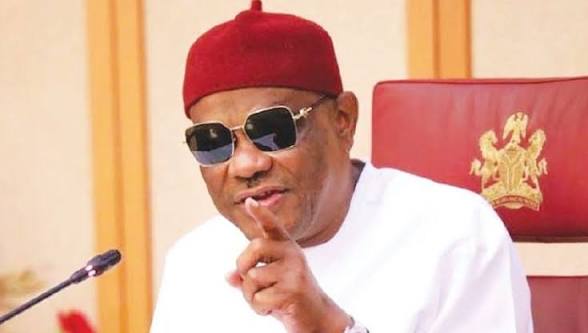
The Minister of the Federal Capital Territory, Nyesom Wike, has approved the allocation of land to members of the FCT Council of Traditional Rulers, alongside a waiver of all statutory charges tied to the titles.
Speaking during a ceremony in Abuja on Friday, Wike explained that the decision followed directives from President Bola Ahmed Tinubu, emphasizing the need to recognise the original inhabitants of the territory.
He noted that the gesture was meant to honour the traditional rulers, acknowledging their longstanding presence before the establishment of the Federal Capital Territory. According to him, it would be inappropriate to overlook those who have contributed to peace and stability in the region.
Wike also praised the royal fathers for their role in ensuring a smooth and peaceful conduct of the recent Area Council elections, which he described as one of the most orderly in the FCT’s history. To support their responsibilities, he announced plans to provide utility vehicles to aid their day-to-day functions.
Highlighting ongoing development efforts, the minister pointed to several infrastructure projects across satellite towns, including the expansion of the Airport–Kuje road, the Bwari–Zuba link road, and works in areas such as Apo, Karshi, and Basan Jiwa, as well as the completion of the Arab Road network.
On the issue of fees, Wike stressed that it would be unfair to expect traditional rulers to raise funds for land they and their communities have occupied for generations, adding that the president had approved a full waiver.
Responding on behalf of the council, the Ona of Abaji and its chairman, Adamu Yunusa, expressed appreciation to both the president and the minister, pledging continued support from traditional institutions for government initiatives.
The move reflects ongoing collaboration between the federal government and traditional authorities, who continue to play an important role in community leadership, conflict resolution, and maintaining order, especially during elections and in matters relating to land administration.