
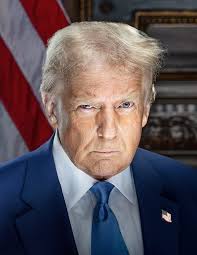
President Donald Trump has on Tuesday, signed a new Proclamation further restricting entry into the United States for nationals of countries deemed high-risk due to deficiencies in screening, vetting, and information-sharing.
According to a White House fact sheet issued on December 16, 2025, Nigeria is among 15 countries newly placed under partial travel restrictions. The move is framed as part of the administration’s effort to strengthen U.S. national security and public safety.
With the Proclamation, full restrictions on nationals from 12 previously listed countries remains while five new countries were added including; Burkina Faso, Mali, Niger, South Sudan, and Syria.
Meanwhile, Laos and Sierra Leone were upgraded from partial to full restrictions.
Nigeria joins countries such as Angola, Senegal, Tanzania, Zambia, and Zimbabwe under partial entry limitations. Nationals from Burundi, Cuba, Togo, and Venezuela remain partially restricted.
According to the White House, the action was based on data showing challenges such as unreliable civil documents, corruption, poor birth-registration systems, visa overstay rates, refusal to accept deported nationals, and the presence of terrorist or extremist activity.
The Proclamation includes exceptions for lawful permanent residents, existing visa holders, diplomats, athletes, and individuals whose entry serves U.S. national interests. Case-by-case waivers remain available, though some family-based visa categories have been narrowed due to fraud risks.
The decision follows renewed tensions after Trump earlier labeled Nigeria a “country of particular concern” over allegations of Christian genocide.
However, Nigeria, ECOWAS and the African Union had denied such claims with President Bola Tinubu insisting that neither Christians nor Muslims are being targeted.
The White House said the restrictions were necessary to prevent entry of individuals who cannot be adequately vetted.
Trump stated that it is the president’s duty to ensure those entering the U.S. do not pose a threat, citing past Supreme Court rulings that upheld similar travel restrictions as within presidential authority.
The development follows heightened security concerns after a shooting in November involving U.S. National Guard soldiers near the White House.
The act was allegedly carried out by an Afghan national, and has further intensified the administration’s hardline immigration stance.