
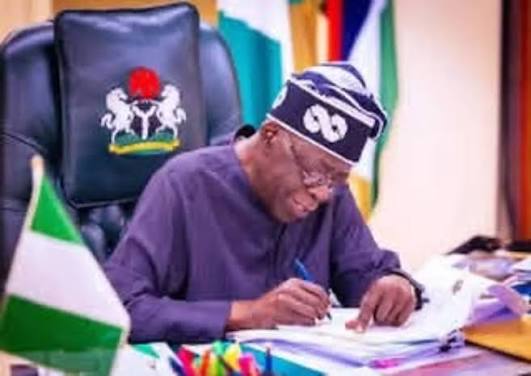
The Presidency has defended Nigeria’s continued borrowing, insisting that the government is taking loans to fund critical infrastructure and support economic growth, following comments from the Emir of Kano, Muhammadu Sanusi II, questioning the country’s fiscal direction.
Sanusi had raised concerns over the logic of continued borrowing after the removal of fuel subsidy. He was quoted as saying: “If you’re not paying subsidy and you’ve got the money, why are we still borrowing?”
His comment has since sparked renewed public debate on Nigeria’s debt profile and government spending priorities.
Responding via his X handle, presidential spokesperson Daniel Bwala defended the administration’s position, arguing that borrowing remains necessary due to Nigeria’s large infrastructure deficit.
He wrote: “Your Royal Highness, we are simply borrowing to invest in the critical sectors of our economy, the chiefest of which is infrastructure. The infrastructure deficit requires yearly investment of at least $30 billion to $100 billion and what we have is insufficient, hence the borrowing.”
Bwala maintained that the funds being borrowed are targeted at long-term development projects, especially infrastructure, which he said requires far more financing than current government revenues can provide.
The exchange has once again brought attention to Nigeria’s rising debt levels and the ongoing debate over whether borrowing is translating into visible economic improvements.