
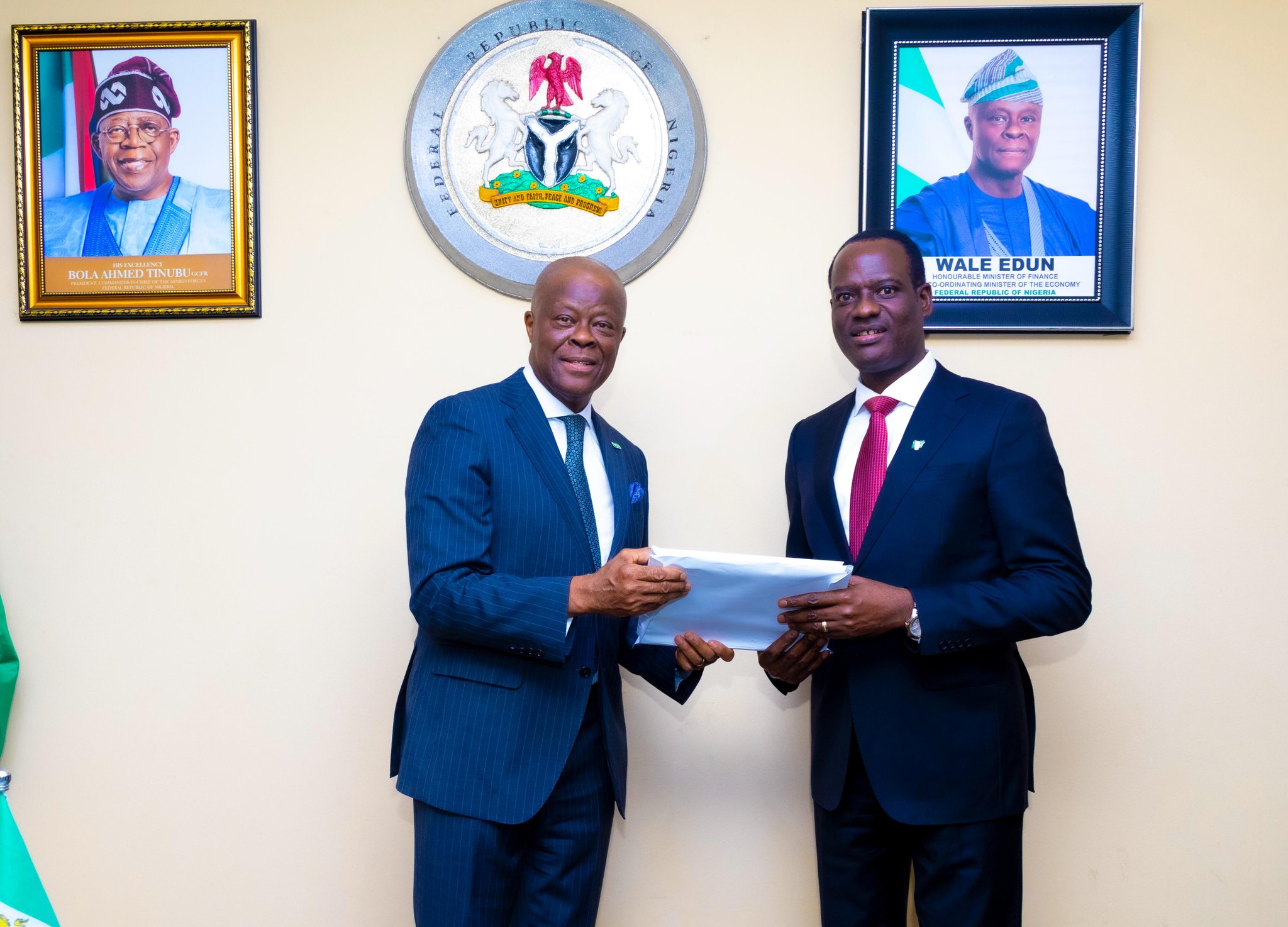
Nigeria’s newly appointed Minister of Finance and Coordinating Minister of the Economy, Taiwo Oyedele, has formally taken over office, outlining a reform-focused agenda aimed at stabilising and strengthening the nation’s economy.
In a statement shared on X (formerly Twitter) shortly after his inauguration yesterday, Oyedele confirmed that he assumed office following a handover from his predecessor, Wale Edun. He expressed appreciation for Edun’s contributions, noting that he “sincerely appreciate[s] him for his service to our country and the foundation he has laid.”
Describing Nigeria’s current economic situation as pivotal, Oyedele stated that “Nigeria is at a critical juncture,” adding that while progress has been made, the focus must now shift toward sustaining and expanding those gains. According to him, “our immediate task is to consolidate these gains, deepen ongoing reforms, and ensure they translate into tangible benefits for all Nigerians.”
The minister outlined several strategic priorities that will guide his administration. These include boosting productivity and economic growth through “a predictable and investor-friendly environment anchored on policy coherence, consistency, and clarity.”
He also emphasised the importance of fiscal discipline, pledging “transparent and prudent management of public resources” to ensure long-term sustainability.
On revenue generation, Oyedele highlighted plans for “revenue optimisation and fair taxation,” stressing the need to broaden the tax base while reducing pressure on vulnerable populations. He also pointed to the importance of stronger coordination across government institutions to maximise policy effectiveness.
A key pillar of his agenda is enhanced collaboration with the private sector. He underscored the role of Public-Private Partnerships, noting the need for “data-driven policy design, co-implementation, and feedback for continuous improvement.”
Oyedele made it clear that implementation would be central to his success in office. “Good policy design alone is not enough,” he said, adding that “success will be defined by execution,” with a commitment to “disciplined implementation, accountability, and measurable results.”
He concluded by expressing readiness to work with stakeholders across sectors, stating his intention to “move from reform to result, accelerate growth and build a more stable, inclusive, and prosperous economy.”