
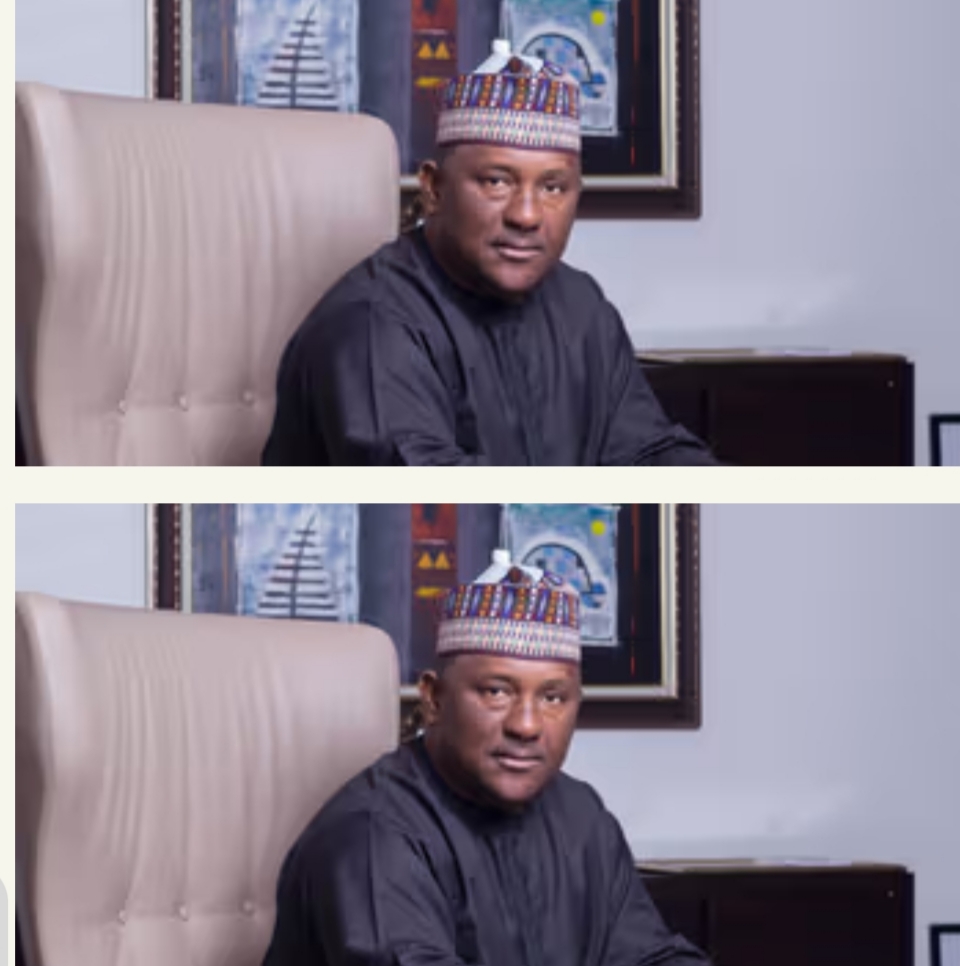
Nigerian billionaire businessman and Chairman of BUA Group, Abdulsamad Rabiu, has taken delivery of a new Bombardier Global 8000 private jet reportedly valued at about $81 million (approximately N110 billion). The acquisition further expands the industrialist’s growing aviation fleet and places him among the early owners of one of the world’s most advanced business aircraft.
The Bombardier Global 8000 has attracted global attention for its impressive performance, including a top speed of Mach 0.95 and an ultra-long range of about 8,000 nautical miles. The aircraft is capable of handling non-stop intercontinental flights, making it particularly attractive to multinational business executives with operations across several regions.
Reports indicate that the aircraft joins BUA Group’s existing fleet, which already includes other high-end business jets used for corporate travel and executive operations. The purchase follows an agreement reportedly signed with Bombardier in late 2025.
Rabiu’s latest acquisition comes at a time when his wealth has grown significantly. Recent billionaire rankings placed him as Africa’s second-richest individual, driven largely by the performance of businesses under the BUA Group umbrella, including cement, food processing, manufacturing, and infrastructure investments.
Over the years, the Kano-born businessman has expanded BUA Group into one of Nigeria’s largest conglomerates, with interests spanning cement production, food manufacturing, ports, energy, and other strategic sectors of the economy. The company’s continued expansion across Africa and beyond has increased the need for efficient executive travel and global connectivity.
Whenever news like this surfaces, many people focus only on the cost of the aircraft. However, for billionaires who manage multi-billion-dollar businesses across different countries, private jets often serve as business tools rather than luxury items alone. The real story is not the jet itself but the scale of the business empire that can comfortably afford such an investment. Whether one admires or criticizes the purchase, it highlights the growing influence of Nigerian-owned companies on the African business landscape.