
The Federal Ministry of Finance has dismissed claims that Nigeria’s federation revenue is being diverted or subjected to “hidden spending,” describing such reports as a misrepresentation of the latest Nigeria Development Update by the World Bank.
This response follows key findings in the latest Nigeria Development Update by the World Bank, which drew attention to the scale and impact of deductions from federation revenues before they are shared.
The report noted that statutory deductions rose significantly in recent years and that these, including costs of revenue collection and transfers to certain agencies, substantially reduce the amount eventually distributed through the Federation Account Allocation Committee (FAAC).
It also highlighted that some agencies receive large allocations from these deductions, sometimes exceeding the revenues of individual states, raising concerns about fiscal efficiency and transparency.
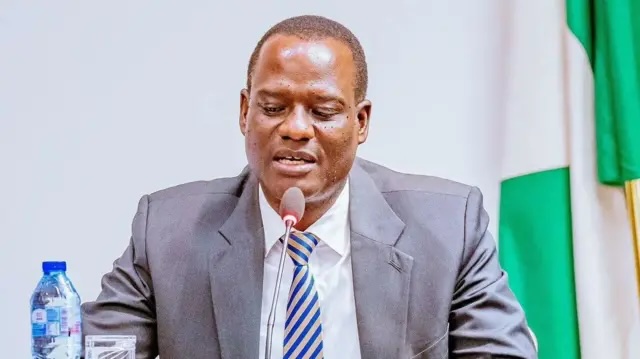
In a press statement issued on April 19, 2026, the Minister of State for Finance, Taiwo Oyedele, said recent media interpretations of the report reflect “a misunderstanding of the fiscal system.”
According to the ministry, reports suggesting that a large portion of federation earnings is unaccounted for are inaccurate. “These interpretations misrepresent the World Bank’s analysis,” the statement noted, adding that claims of diversion or hidden expenditure are unfounded.
Read Also: Atiku Accuses FG of Intimidation Over Alleged Attempt to Block ADC Convention
FG Orders Withdrawal of Passports from Nigerians Who Renounce Citizenship
The ministry specifically addressed concerns around deductions by the Federation Account Allocation Committee (FAAC), which some commentators had described as wasteful or missing funds. It clarified that such deductions are legitimate and cover a range of statutory and operational obligations.
“FAAC deductions… include statutory transfers, savings and investments, security-related expenditures, cost-of-collection charges, refunds to Ministries, Departments and Agencies, as well as transfers and interventions benefiting subnational governments,” the statement said.
It stressed that these transactions should not be mistaken for financial leakages. “Refunds and transfers to states and other tiers of government are not leakages. They represent legitimate fiscal flows, including repayments of obligations and statutorily backed allocations,” the ministry added.
The statement also accused some analysts of relying on outdated data while ignoring recent reforms highlighted in the World Bank report. It pointed to policy measures introduced in early 2026, including an executive order aimed at improving the remittance of petroleum revenues.
“The World Bank explicitly notes that reforms implemented in early 2026… are already addressing concerns around deductions and are expected to improve transparency while increasing revenues available to all tiers of government,” it stated, adding that the reforms could boost revenues by about 0.4 per cent of GDP annually.
Beyond the controversy, the ministry emphasised what it described as the report’s “positive and forward-looking” outlook on the economy. It cited improving macroeconomic indicators, including broader-based growth, declining inflation, stronger external reserves, and a reduction in Nigeria’s debt-to-GDP ratio—the first such decline in over a decade.
“The broader message of the World Bank report is positive,” the statement said, noting that the reforms currently underway are yielding results but must be sustained.
Reiterating the government’s position, the ministry said the report does not suggest a failing fiscal system. “The World Bank does not conclude that Nigeria’s fiscal system is collapsing or that reforms have failed. Rather, it states that reforms are working, and they must be sustained and deepened,” it said.
The Federal Government reaffirmed its commitment to fiscal transparency, improved revenue generation, and efficient public spending, while urging the media and stakeholders to engage responsibly with economic data.
“An accurate understanding and responsible reporting of fiscal information are critical to maintaining confidence in Nigeria’s reform trajectory,” the statement concluded.