
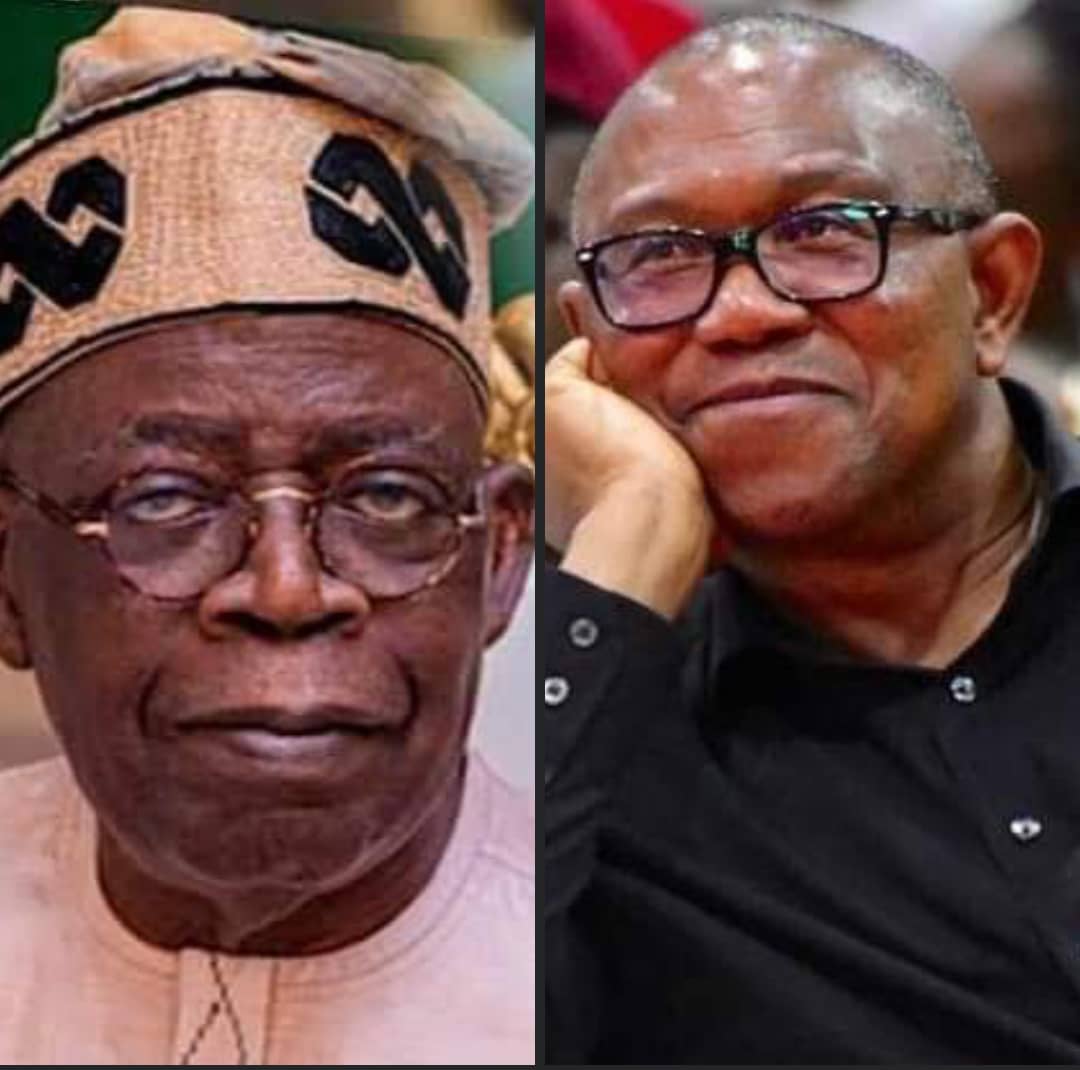
Former presidential candidate of the Labour Party, Peter Obi, has called on President Bola Tinubu to resign, arguing that Nigeria’s worsening economic and security challenges warrant greater political accountability.
Obi made the remarks in a statement posted on his X account on Monday, where he reflected on the recent resignation announcement by British Prime Minister Keir Starmer.
According to Obi, Starmer’s decision to step down amid public dissatisfaction over economic conditions and governance challenges highlights the importance of leaders taking responsibility for their performance in office.
“This morning, I listened to the British Prime Minister’s speech announcing his planned resignation in July,” Obi wrote. “As a keen observer of global politics, my primary interest lies in examining what successful nations do right and the structural factors that cause others to lag or struggle with governance and development.”
Drawing comparisons with Nigeria’s political history, Obi recalled that before the 2015 general election, Tinubu had repeatedly criticized former President Goodluck Jonathan over insecurity and economic hardship, including calls for his resignation following the abduction of schoolgirls in Chibok.
He also referenced promises made by Tinubu during the 2023 presidential campaign, including commitments to improve electricity supply, tackle corruption, strengthen security, and improve the welfare of Nigerians.
Obi argued that many of those challenges have persisted or worsened.
“Electricity supply remains unreliable, insecurity has intensified in many areas, including kidnappings, and economic hardship has deepened rather than eased,” he said.
The former Anambra State governor further claimed that key sectors such as infrastructure, transportation, security, and anti-corruption efforts have experienced setbacks under the current administration.
“I, therefore, join Nigerians of goodwill in calling for the resignation of the President over monumental failure in governance,” Obi stated.
According to him, such a step would help foster a culture of accountability and responsibility in public office while discouraging impunity in governance.
He added that leaders should view public office as “a sacred trust, not an entitlement,” and argued that holding public officials accountable for their performance would contribute to building a stronger democratic culture.