
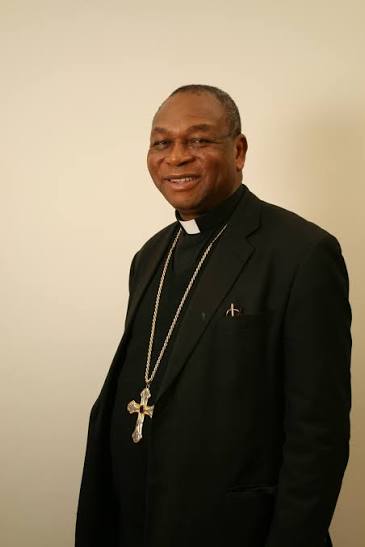
The Archbishop Emeritus of the Catholic Archdiocese of Abuja, John Onaiyekan, has disclosed that President Bola Tinubu rejected concerns raised by members of the Catholic Bishops’ Conference of Nigeria (CBCN) over the country’s economic situation, insecurity and political environment during their meeting at the Presidential Villa in Abuja.
The meeting, held on July 28, 2026, provided an opportunity for the bishops to present their assessment of the nation’s pressing challenges, including the rising cost of living, worsening insecurity and the state of Nigeria’s democracy.
Speaking during an appearance on Prime Time, an Arise News programme aired on Friday, Onaiyekan revealed that the President disagreed with the bishops’ position, maintaining that his administration’s policies were producing positive results.
Read Also:
There Was Hunger in This Country Before I Was Born – Tinubu
Peter Obi Faults Tinubu Over Hunger Remark, Says Nigerians Are Worse Off Under Current Govt
“When the nation is bleeding, you cannot expect a polite meeting with the Head of State. We told him the economy is not helping our poor people; he told us the economy is doing fine. Frankly speaking, he told us quite clearly that he did not agree with us.”
Despite Tinubu’s response, the cleric said the bishops were not surprised by the President’s position, noting that their responsibility was simply to convey the realities Nigerians were experiencing.
“We didn’t expect him to agree with us. We have done our duty, we have delivered our message, and we have a feeling that somehow, along the line, somebody will show him a few of the things we said.”
Onaiyekan explained that the document presented to the President reflected the unanimous position of the Catholic Bishops’ Conference following broad consultations. He stressed that the church had no political interests but remained committed to speaking out on issues affecting the welfare of Nigerians.
“We are not politicians running for office. We are religious leaders who feel we have a duty not just to preach our doctrines but also to address the lives of our people.”
He added that the bishops intentionally chose to present the difficult realities confronting citizens instead of painting a favourable picture of the country. According to him, they were encouraged that the President listened attentively and responded directly to the concerns they raised.
The archbishop, however, expressed concern that many government officials were unwilling to speak honestly to the President, describing the situation as one of the nation’s major problems.
On Nigeria’s political landscape, Onaiyekan defended the bishops’ warning about what they described as the gradual emergence of a one-party dominant system. He argued that democracy could only thrive when elections remained credible and all political actors competed on equal terms.
While reacting to President Tinubu’s defence of the Independent National Electoral Commission (INEC), the cleric maintained that public confidence in the electoral body would continue to be questioned as long as its leadership was appointed by the President. He called for reforms that would strengthen the commission’s independence and restore trust in the electoral process.
He also urged Tinubu to safeguard the country’s democratic institutions, insisting that the bishops remained united in their conviction that Nigerians deserved better governance and that greater attention should be devoted to addressing the country’s challenges rather than celebrating government achievements.