
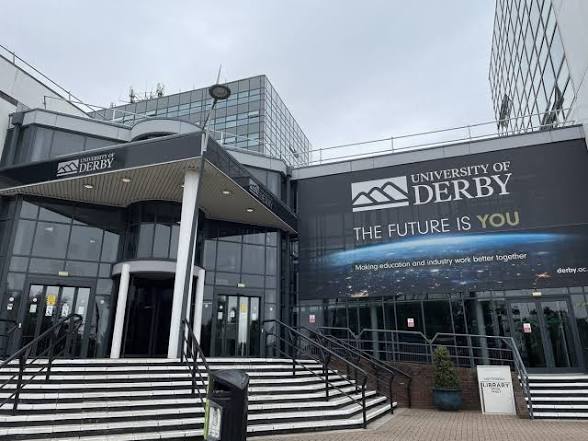
A senior lecturer at the University of Derby, Russell Cherrington, has lost his appeal against his dismissal after the Employment Appeal Tribunal upheld the university’s decision to sack him over language it found to be “misogynistic”, “transphobic” and “divisive.”
Cherrington, who taught film studies at the university, argued that his remarks were protected by his right to freedom of expression under Article 10 of the European Convention on Human Rights. However, the tribunal rejected that argument.
According to GB News, the case followed complaints from four students on the university’s Film and High End TV programme. The tribunal heard that the complaints surfaced after the course recorded poor results in the National Student Survey.
The university suspended Cherrington on December 18, 2023, before launching an investigation in 2024. The investigation concluded that he had committed several acts amounting to “gross misconduct.”
Among its findings, the tribunal said Cherrington was misogynistic because he “only, or almost exclusively, referred to women in the class as ‘females’.” It also cited his assessment of a student’s music video, in which he described the lead actress as “not attractive enough for the role”, as an example of inappropriate language.
Cherrington admitted referring to female students as “females” but said he did so because he did not know their names. He also insisted that describing the actress as “not attractive enough for the role” was not harmful.
The tribunal also heard that Cherrington did not deny telling a student, “If you had worn that nail polish back in the day, you would have been called a p**f.”
He further faced allegations of using transphobic language after allegedly referring to “a student who was transitioning as a ‘troublesome trans kid’.” Cherrington denied making the remark, explaining that he had only used the example of a transitioning student to demonstrate that he would support any student regardless of their background.
He also rejected claims that he made ableist comments after allegedly saying universities were “becoming a care home for people with disabilities.”
Although the tribunal acknowledged Cherrington’s “previously unblemished disciplinary record”, the University of Derby dismissed him in April 2024 over what it described as “inappropriate and unprofessional language.”
During the disciplinary process, Cherrington submitted a list of eight students whom he said could “speak to his teaching and how he treated students.” However, they were not interviewed because the professor leading the disciplinary panel concluded that positive testimonies would not outweigh the allegations of inappropriate and unprofessional conduct.
After failing in his initial employment tribunal claim in May, Cherrington appealed, arguing that his “academic freedom of expression” had been infringed.
Employment Appeal Tribunal Judge Mr Justice Cavanagh dismissed the appeal, ruling that the European Convention on Human Rights does not “as a matter of course” have to be considered in every unfair dismissal case.
Rejecting Cherrington’s arguments, Justice Cavanagh said the tribunal had considered whether the university breached its duty to protect freedom of speech and concluded that it had not. He added: “The ET was plainly well aware that the university had a duty to promote and protect freedom of speech for university employees.”
The judge ultimately dismissed the appeal, bringing Cherrington’s legal challenge against the university to an end.